Everyone who orders their first small production run has the same reaction: the quote came back, and the per-unit price is nowhere near the prototype or the volume price they had in mind. Here is where that money actually goes — and what you can do about it.
Nine cost lines that behave differently at 100 pieces than at 100,000.
| Cost | One-time or per-unit? | How it behaves |
|---|---|---|
| SMT stencil | One-time | One laser-cut stencil per side of the board. Same cost whether you build 5 boards or 5,000. |
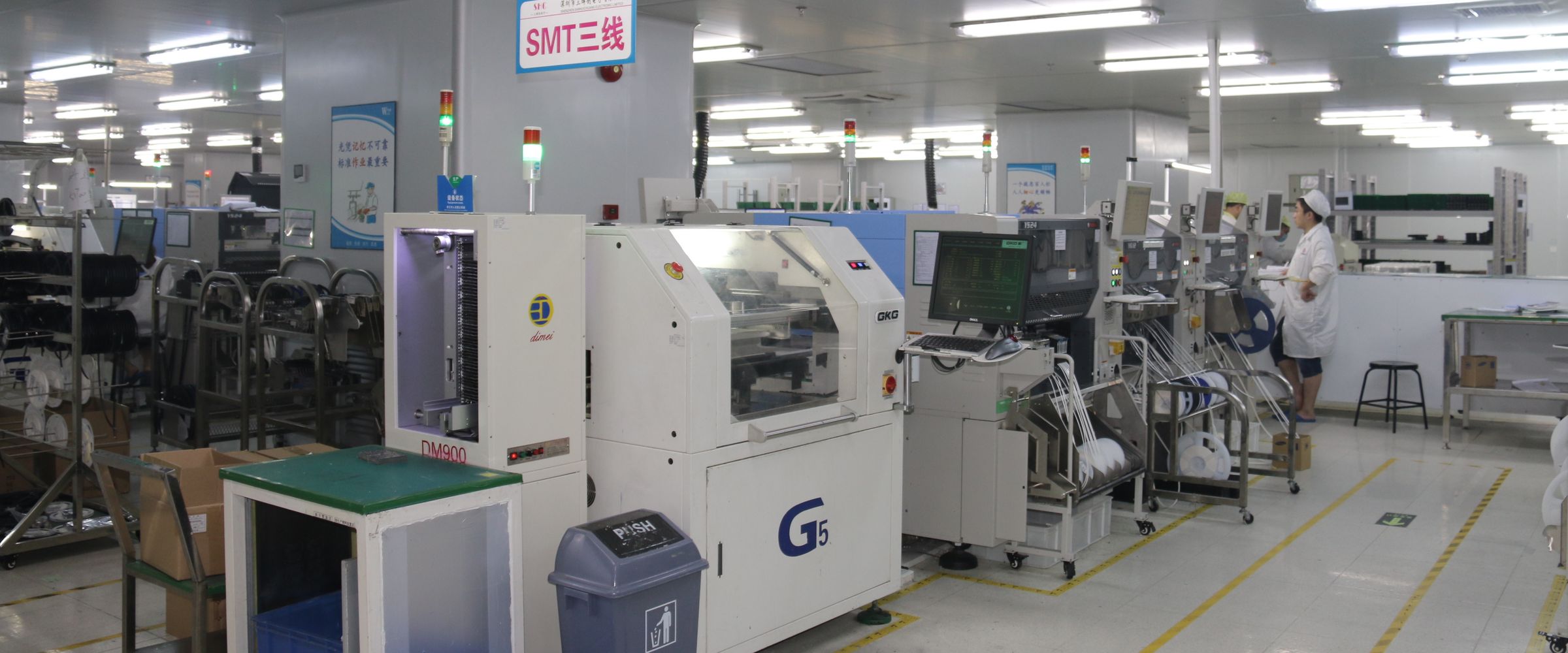
| Line setup / changeover | One-time | Feeder loading, programming, first-article check. Dominates the price at low volume. |
| PCB fabrication tooling | One-time | Fabrication has its own setup, film and drill programming for the panel. |
| Components | Per-unit, but with a floor | Priced per piece — but many parts have a minimum purchase of a full reel. |
| Programming / firmware | Depends | If a device needs flashing, the time is often the same for 10 boards as for 1,000. |
| Test fixture / ICT | One-time | A bespoke fixture is rarely worth building below a few thousand units — functional test costs less. |
| Inspection | Per-unit | AOI and X-ray scale roughly with volume; Class III inspection scales faster. |
| Conformal coating / potting | Mixed | Often has a minimum batch size — the equipment needs to be set up and cleaned regardless. |
| Packaging and freight | Per-shipment | Largely fixed per delivery, so splitting one order into three shipments costs more than shipping once. |
In rough order of how much difference each makes.
The single biggest lever. Three orders of 200 boards pay stencil, setup and programming three times. One order of 600 boards pays it once. If your cash flow allows it, order the quantity you expect to consume in the next six to twelve months — the carrying cost of stock is usually far lower than the cost of a second setup.
A part with a 12-week lead time is not just slower — it is more expensive, because it has to be bought through brokers or the schedule has to be built around it. If your BOM has a part on a long lead time, ask early whether a pin-compatible alternative in stock would work. This is one of the most common causes of an unexpectedly high quote.
A double-sided assembly needs two stencils, two passes through the line and two setups. If your layout allows a single-sided assembly, you remove a whole setup from the quote. This is a design decision, so it only helps if it is made before the board is laid out.
ENEPIG on a board that will never be wire-bonded is a real cost for no benefit. ENIG on a board with no fine-pitch parts may be avoidable. See the surface finish guide for what each one buys you.
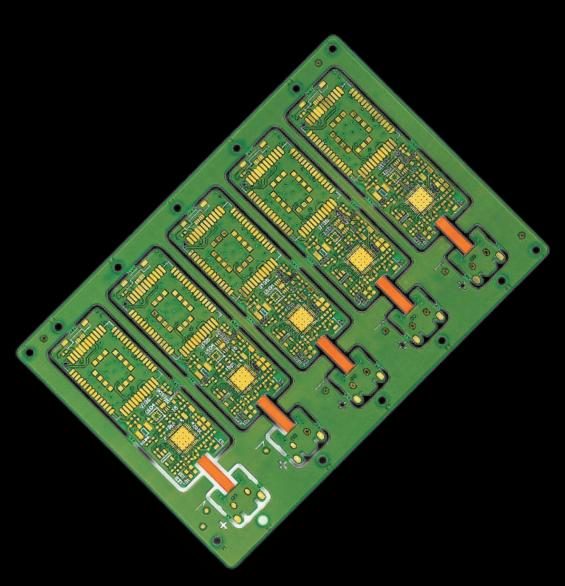
Panelisation is designed once. If your next revision changes the board outline enough to need a new panel layout, that work repeats. Where possible, keep the panel dimensions stable across revisions.
Some customers source their own long-lead or high-value parts and have them consigned. It can save money on the BOM — but be aware you then own the risk on counterfeit, damage and shortages. If you do this, buy from an authorised distributor and keep the paperwork. We will build with your components, ours, or a mix.
Class III inspection is more expensive than Class II because it rejects more work and requires more documentation. If your product does not need it, do not ask for it — see what IPC-A-610 Class III really requires.
Quotes get revised upward when information arrives late: the board needs a conformal coat nobody mentioned, the connector is on 16-week lead time, the firmware needs flashing on every unit. Tell us the full scope at the start and the first number you get is the number you can plan around.
Until then, a supplier set up for small batches is cheaper — not because their hourly rate is lower, but because they are organised around holding fewer things constant. For an honest comparison, including the cases where you should go elsewhere, see who we are right for.
ENIG, HASL, OSP, immersion silver, immersion tin and ENEPIG — cost, shelf life and failure modes compared.
The difference between Class I, II and III, and which products genuinely need the strictest one.
MOQ, quote turnaround, component sourcing, certifications, board size limits and testing.
We will come back within 24 hours with a price, a lead time, and — if there is an obvious way to reduce the cost that you have not asked about — we will tell you that too.