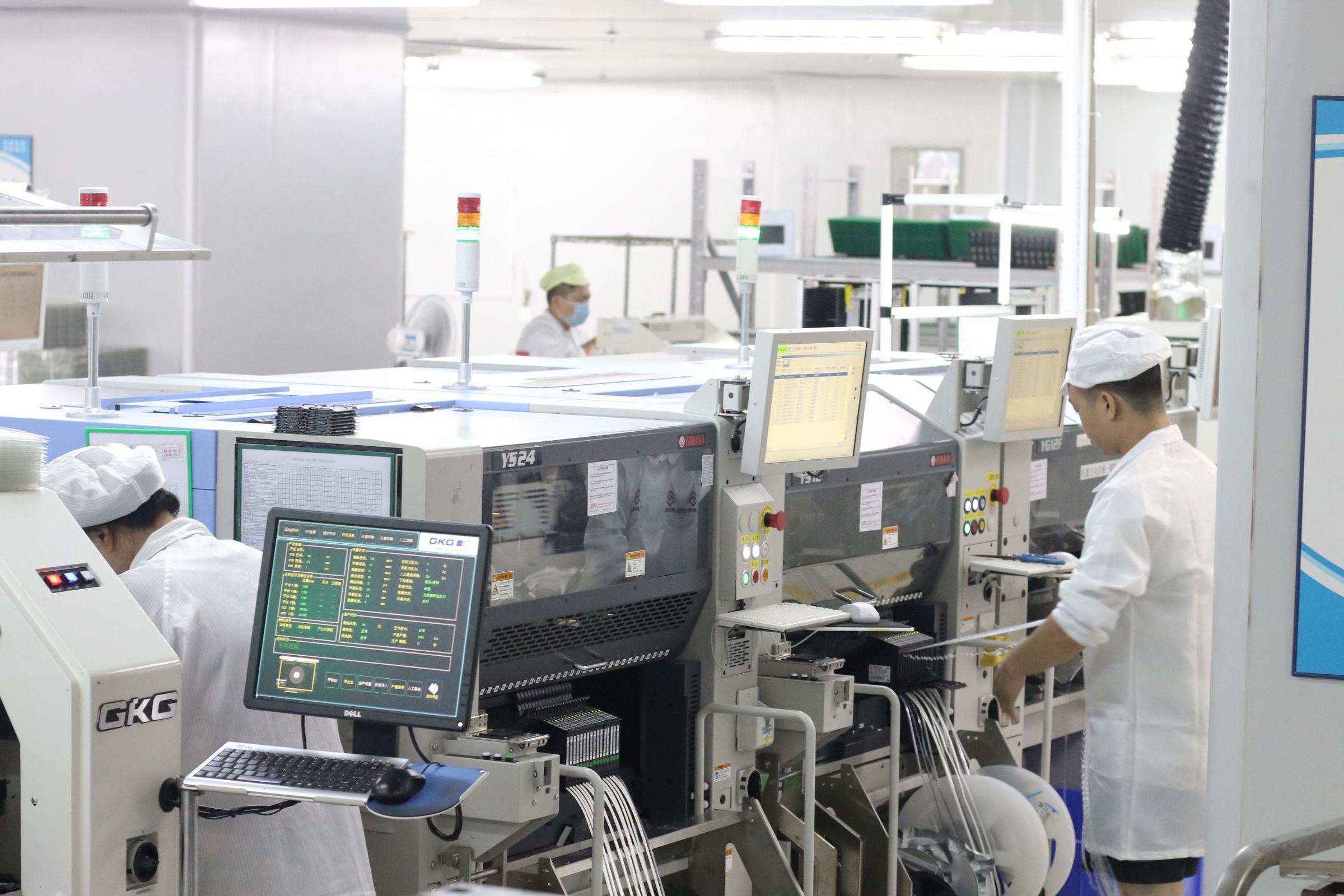
Hongrong (Shenzhen) Electronics Co., Ltd. has been building electronics in Bao'an, Shenzhen since 2005 — through the launch of the smartphone, the component shortages, and everything since.
Facts a buyer can check, rather than adjectives a buyer has to trust.
| Established | 2005 — over 20 years of electronics manufacturing |
| Employees | 125 — in Shenzhen |
| Annual overseas sales | Approximately RMB 300 million |
| Manufacturing | 24 SMT lines, 6 DIP lines, 10 conformal-coating lines and 6 testing lines — in the same building as the engineering team |
| Placement capacity | 40.39 million placement points per day |
| Minimum order | 1 piece — no minimum order quantity, at every stage from prototype to production |
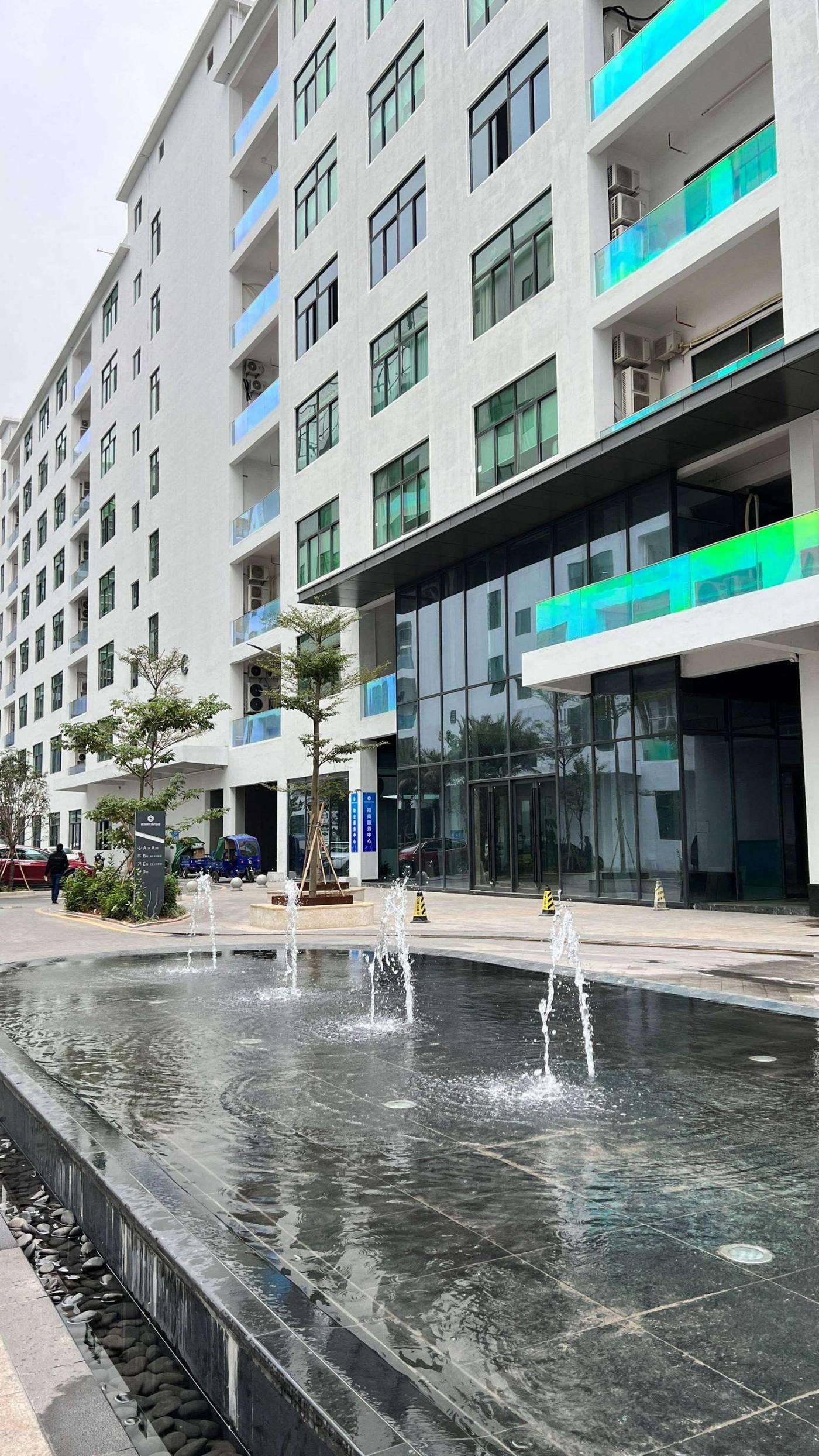
| Head office and factory | 6/F, Bldg C, Qianwan Key & Core Tech Park, Xixiang St., Bao'an, Shenzhen, Guangdong, China |
| Second office | Los Angeles, California, USA |
| Customers located in | Europe, the Americas and Asia |
| Certifications | IATF 16949 · ISO 13485 · ISO 9001 · IPC-A-610 Class III |
It is the most over-used phrase in this industry, so here is the specific version of it.
"One-stop" means one company is accountable for every step between your schematic and a tested, packed board — not that one company resells all of those steps. Concretely, that is seven steps, and all seven happen under this roof:
If your project needs more than the board, the same factory also runs wire assembly and box build — harnesses and finished units, not only populated boards — plus component forming, IC programming and electrical function testing. Those sit outside the seven steps because not every order needs them; say so when you send the BOM and they are added to the same quote.
Two things follow from that, and neither is about the length of the list. The first is that when something goes wrong in the middle of the chain — a part that will not be available, a footprint that will not solder — the problem belongs to one company instead of two. The engineer who read your files sits in the same building as the lines that build the board.
The second is a limit. This is a contract manufacturer built for small-batch, certification-driven work: a run in the millions at the lowest possible unit price is not what this building is set up to do, and we say so rather than quote for it. Who we are right for sets that out without flattery.
The same steps run whether you need 1 board or 10,000. What changes is the lead time, and that is scheduled by quantity — not by how large a customer you are.
From Gerber files to shipment
A person reads your Gerber files and BOM and comes back — usually with questions, if anything in the files is unclear — within 2 hours.
A price, a lead time, and anything in your files we think will cause a problem on the line, within 24 hours. Complex assembly quotes can take up to 48 hours, and we tell you when that is the case.
The first production lot is inspected against your drawing, not against a sample board, before the rest of the run proceeds.
Lead time is scheduled by quantity: up to 5 units, 7 days · 6–1,000 units, 14 days · 1,001–10,000 units, 21 days. Above 10,000 units a run is scheduled individually. The clock starts when you approve the final BOM and Gerber files.
If your order is fabrication only — no components placed — the published lead time is 3–4 days for a prototype and 8–16 days for mass production, with an expedited prototype service inside 24 hours.
Boards, test data, first-article records and a certificate of conformity — plus component traceability for the parts we sourced.
Nothing above changes at an order size of one. There is no minimum order quantity: the same files, the same first article and the same paperwork apply to a single piece as to a run of ten thousand.
These are the four that let us build for automotive and medical customers — and they are the reason a customer with a regulated product can use a factory this size.
The automotive quality management standard. Required by most vehicle manufacturers and their tier-one suppliers.
The medical device quality management standard. It governs traceability, documentation and process control for products where a defect reaches a patient.
The general quality management standard — the baseline that IATF 16949 and ISO 13485 build on.
The strictest IPC workmanship class, for products where continued operation is essential — medical, aerospace and defence.
We would rather send you the real paperwork than a logo. Ask and it comes back the same working day.
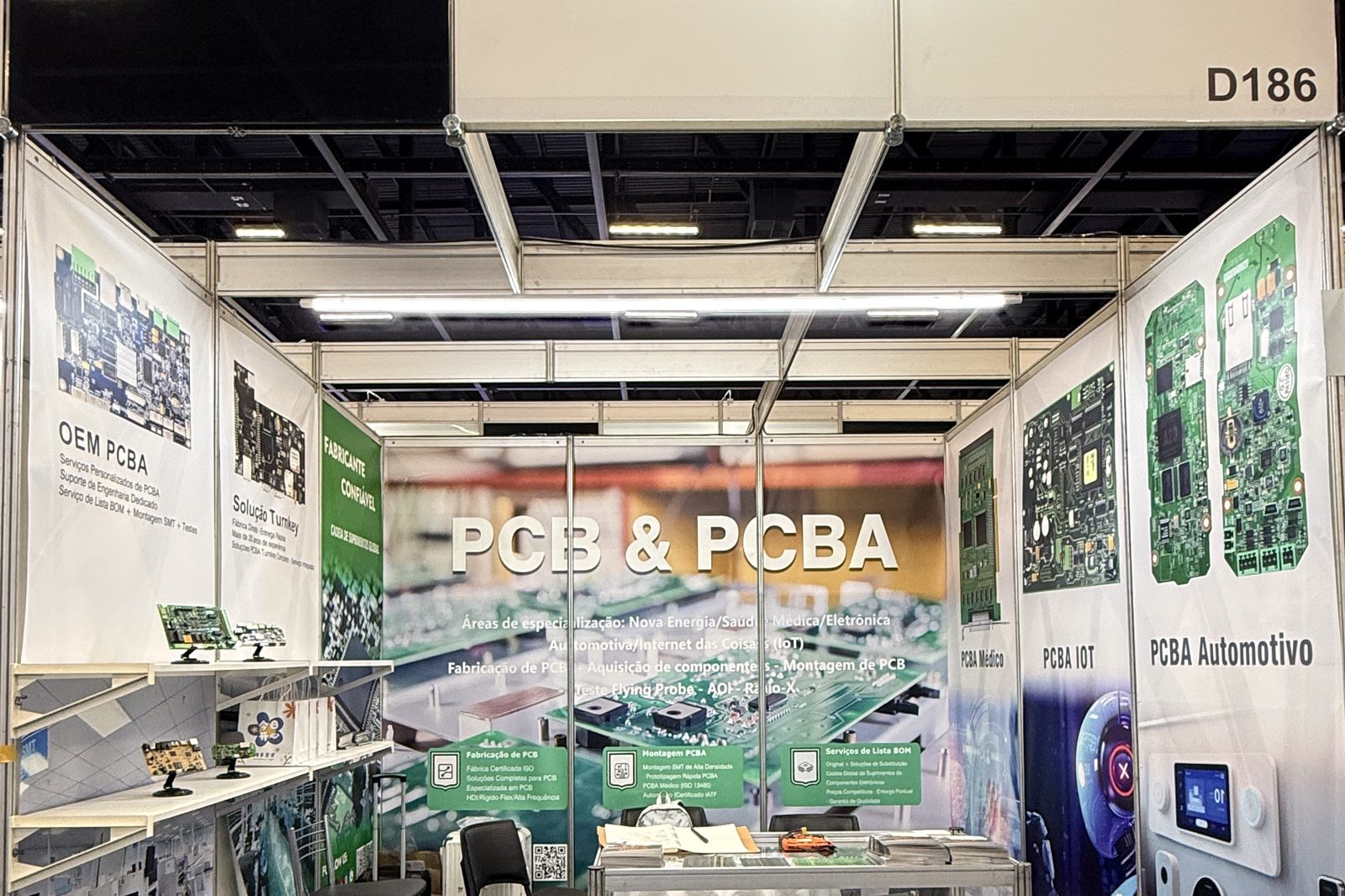
We exhibit at industry shows in the markets we serve, and we travel to meet customers rather than conducting every relationship by email. If you are evaluating suppliers from a distance, ask us for a video call and we will walk you through the line.
Where we have exhibited, we will send you the official exhibitor directory entry with the show name and year — so you can verify it independently rather than taking our word for it.

A small office in California means US and Canadian customers have a contact in their own time zone, and a place to escalate to if something needs to be resolved quickly. Shenzhen runs on China Standard Time (UTC+8) and Los Angeles on Pacific Time; both work Monday to Friday.
You have seen the alternative: a grid of household-brand logos on a supplier's homepage, where a contract manufacturer of a few hundred people implies it supplies four global vehicle makers. Ask yourself how often a company that size is genuinely a direct, contracted supplier to all of them.
So we will not do it — and we would suggest you treat any supplier who does with more caution, not less.
Send us your Gerber files and BOM. We will reply within 2 hours and quote within 24 — with a person who read your files, not an auto-reply.