Field notes Issue 01 October 2026
Blog

Application notes on PCB and PCBA

Longer pieces on what a particular kind of board demands — copper weight, thermal path, creepage, test. The how-to-buy articles live in the technical guides instead.

  • FocusApplications
  • Updated2026-10
  • Written byEngineering team
  • CostFree, no signup

Application note Field note 02 October 2026

BMS PCBA: the current-sense circuit decides your supplier, not the MCU

Why the shunt, the Kelvin connection and the isolation barrier — not the controller — decide whether a pack can be trusted, and how the assembly becomes part of the measurement.
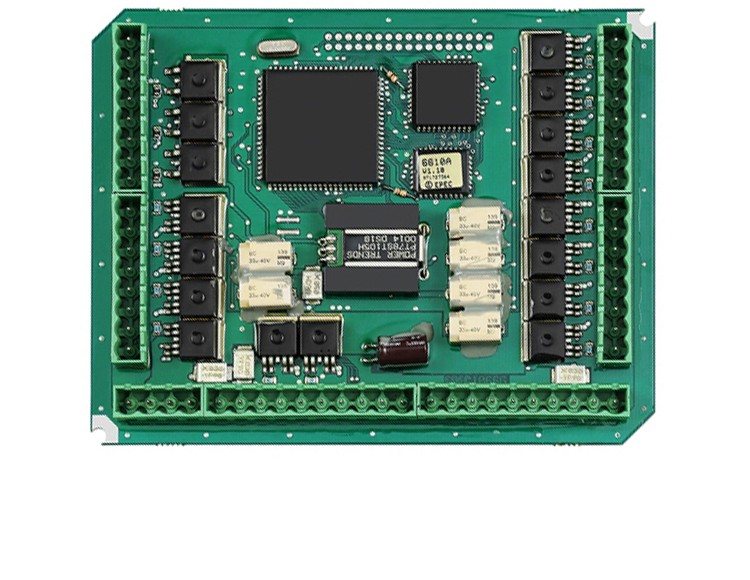
A populated green PCB with rows of black connectors along both long edges, a large square IC and several white terminal blocks
Plate 02 The current path, the sense pair and the isolation barrier all live on one piece of laminate. Moving any of them is a layout change, not a component change.

A BMS is a drift problem before it is a resolution problem.

From “Voltage is measured. Current is integrated.”
Read the note
From the line

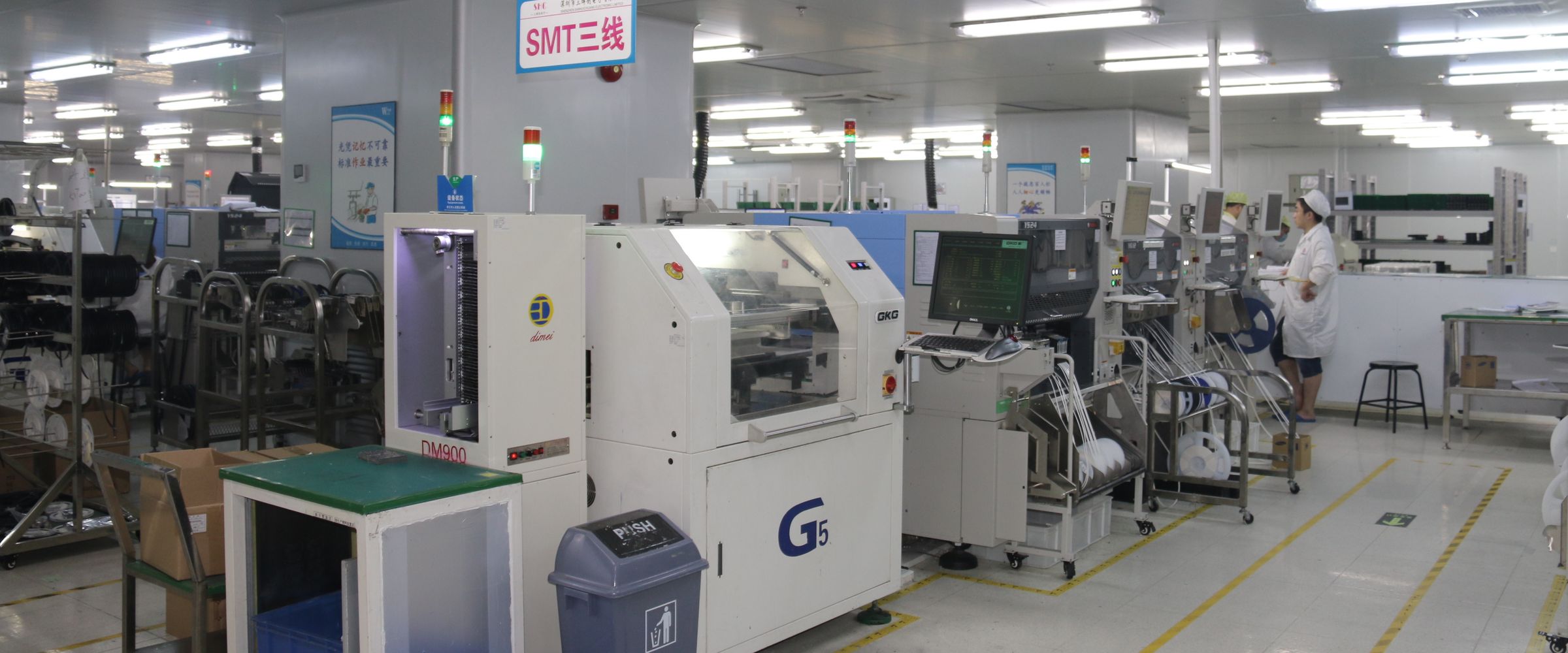
Every note starts with a board someone had to build. These came off our lines, photographed on our own bench.

A white SMT line: a screen printer and a placement machine along a conveyor, two carts loaded with component reels, an operator in a white coat, and yellow floor markings
Plate 03Printer, placement machine and the reel carts that feed them — the part of the shop a board actually comes out of.
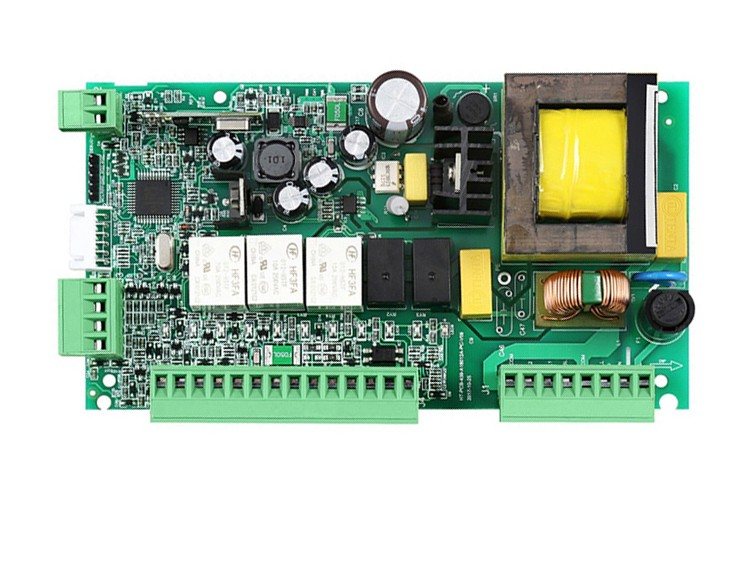
  • A power supply board with a through-hole transformer, three relays and green screw terminal blocks
    Plate 04Mix of technology: a through-hole transformer and three relays beside surface-mount parts.
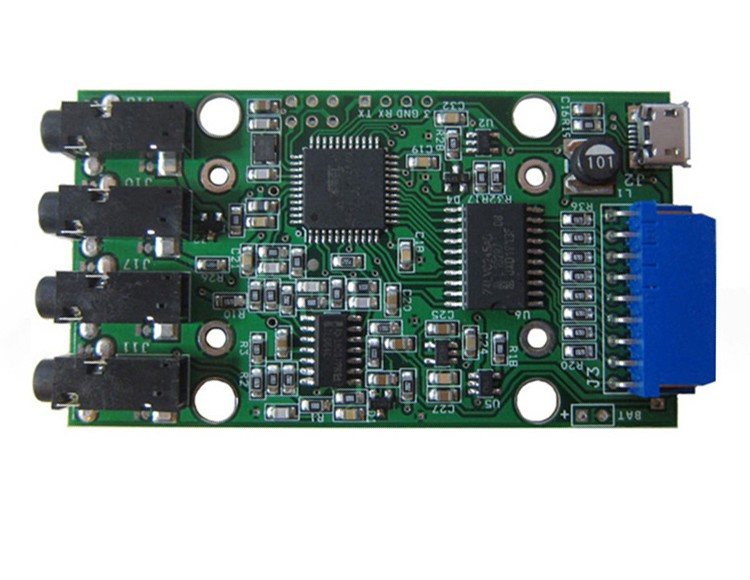
  • A board with four black connectors along one edge, an RJ45 socket, a USB socket and a large blue multi-pin connector
    Plate 05Interface board: connectors, an RJ45 socket and a multi-pin header on one board.
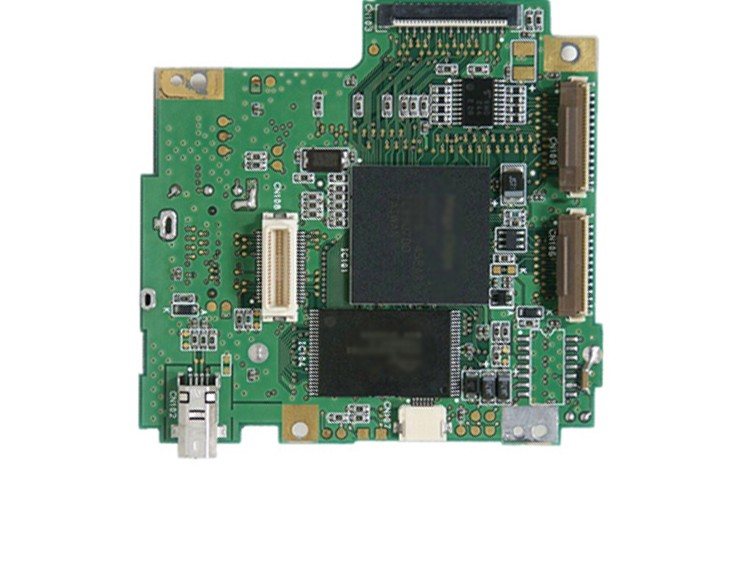
  • A board with two large square ICs, brown ribbon-cable connectors, a card socket and fine-pitch parts
    Plate 06Large ICs and connectors: two big packages, ribbon headers and a card socket.
About these notes

One kind of board, and what it demands of the process

An application note is not a buying guide and not a product page. It takes one class of board and works out what that board needs from copper, heat and spacing — before anyone quotes.

01

One board class at a time

Each note takes a single class of board and the constraints that class puts on the process — not a round-up, and not a list of tips.

02

Written by the people who quote

The note is written by the engineering team that prices the work, so the limits it describes are the limits we build to.

03

How to buy lives in the guides

What to send for a quote, how a board is tested, which finish to choose — those are technical guides. Here the board itself is the subject.

Technical guides

How-to articles live in the guides

What to send for a quote, how a board is tested, which surface finish to pick — written for buyers, in the same voice as the note above.

  1. Guide 06 How PCBA is actually tested AOI, 3D X-ray, ICT and functional test — what each inspection catches, and what each one is blind to. 7 min
  2. Guide 05 What IPC-A-610 Class III actually requires The difference between Class I, II and III — and how to tell whether your product genuinely needs the strictest one. 5 min
  3. Guide 08 How to choose a PCB surface finish ENIG, HASL, OSP, immersion silver, immersion tin and ENEPIG — cost, shelf life and failure modes, side by side. 5 min

All eleven technical guides — how to specify, quote and test a board

Working on a board with unusual demands?

Send us the drawing and what the product is for. We will tell you what the process would need to change — in writing, before you commit to a quote.

Get a quote