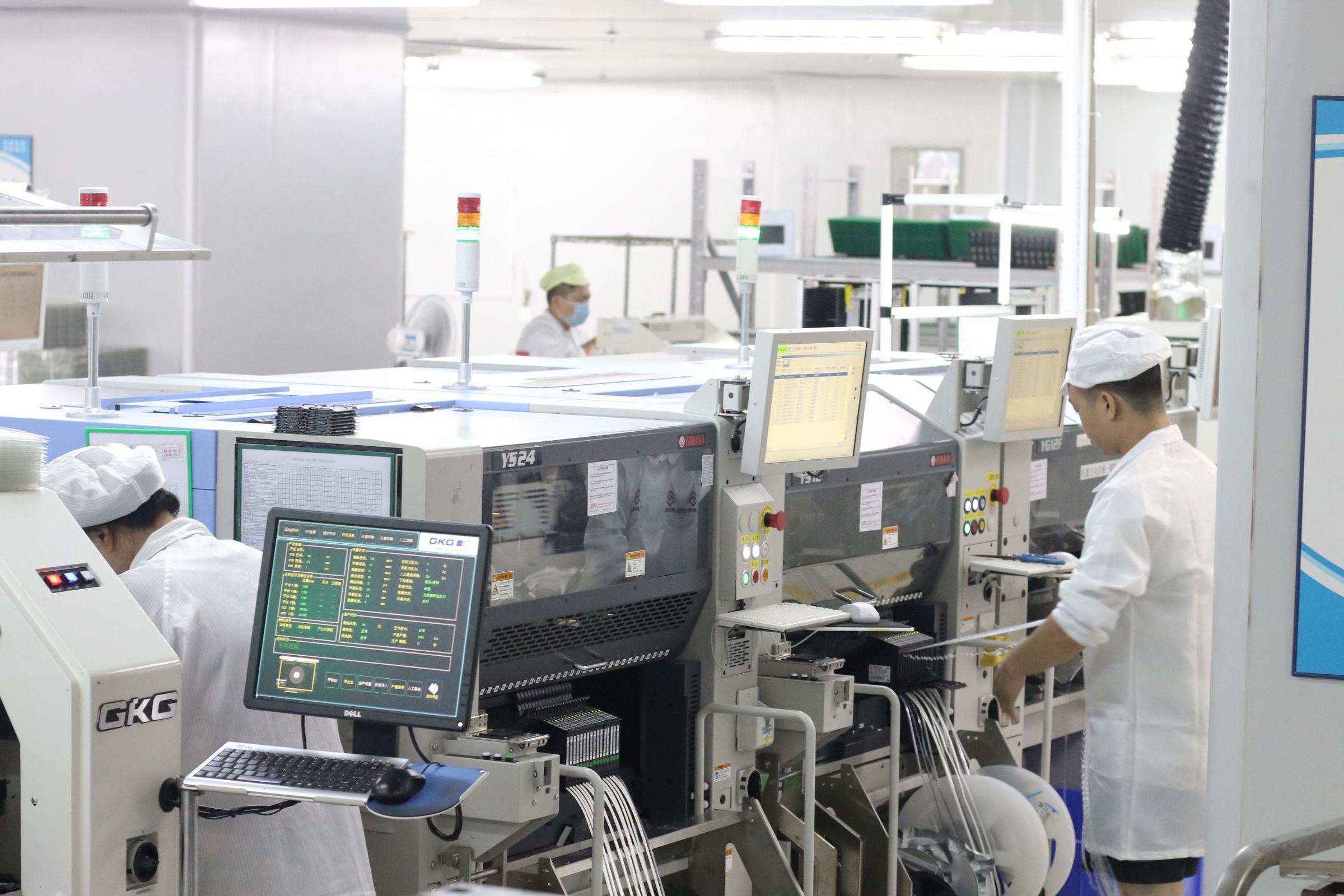
Most quote requests we receive name a certification — sometimes the right one, and sometimes one that has nothing to do with the product. The four documents below get confused with each other constantly, and the confusion is expensive in both directions: asking for a standard you do not need adds cost and paperwork you will never use, and missing one your customer requires can cost you the order or the regulatory approval.
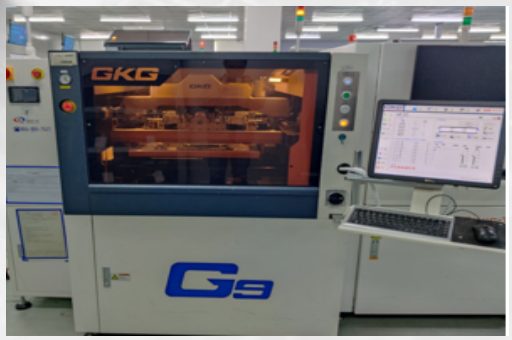
Two of these are management systems, one is a workmanship standard, and they are asked for interchangeably.
| Standard | What the document actually is | Who usually requires it | What it does not tell you |
|---|---|---|---|
| ISO 9001 | A quality management system standard. It describes how a company plans, controls, measures and improves its own processes. | Almost every customer — and almost every factory claims it. | Anything about your particular board, or about processes the company left outside its scope. |
| IATF 16949 | The quality management system standard for automotive production, built on the structure of ISO 9001 with automotive-specific requirements added. Published in 2016, it replaced ISO/TS 16949. | Vehicle makers, and passed down the chain to their tier-one and tier-two suppliers. | Anything about the design of your product — the standard applies to a manufacturing site, not to an OEM's development process. |
| ISO 13485 | The quality management system standard for medical devices. It is organised around risk management, process validation and traceability to regulatory requirements. | Medical device companies, by regulation — and their suppliers, by contract. | Whether your device is approved. That is a regulatory decision about your product, not a certificate about your factory. |
| IPC-A-610 Class III | Not a management system. A workmanship standard that defines what an acceptable solder joint, fillet, and component placement looks like. | Products where a field failure is unacceptable: defence, aerospace, medical, some automotive. | Anything about how the factory is managed, how it traces parts, or what documentation it keeps. |
This one habit prevents most of the ways a certificate claim goes wrong.
A certificate is issued to a legal entity, at a physical address, against a written scope. It does not cover a brand, a group, a website or a sales office. A company with three plants may hold the certificate at only one of them, and a trading company may hold it while the boards are built somewhere else entirely.
So when a supplier says they are certified, the three questions that carry the information are:
A supplier who cannot produce the certificate document itself has given you a marketing claim, not a certification. Ask for the PDF. This is not an accusation — it is a normal request, and any factory that holds a certificate has the PDF within reach.
ISO 9001 tells you that a company has a documented, audited process for controlling its work. That is genuinely worth something — it is usually the prerequisite for everything above it, and it is not trivial to maintain. But it is also claimed by so many suppliers that, on its own, it separates almost nobody. If ISO 9001 is the only quality claim a supplier makes, you have learned very little about whether they can build your board. It is the floor you should expect, not the reason to choose.
Both are built on ISO 9001. What they add is specific, and it is the part your customer's auditor will ask about.
IATF 16949 is the automotive supply chain's answer to a simple problem: a defect that reaches a vehicle may not be discovered for years, and may not be traceable to a batch when it is. What it adds to ISO 9001 is aimed squarely at that:
One consequence is worth understanding before you specify it: IATF 16949 is generally passed down the chain by contract — from the vehicle maker to the tier-one supplier, and from them to whoever builds the boards. If your customer's purchase order requires it, you cannot add it after the fact. Either the supplier holds it or you are not compliant, and no amount of inspection at the end of the line changes that.
ISO 13485 is organised differently from ISO 9001, because the problem it solves is different: a defect may reach a patient, and the regulator wants to see how you would have prevented it. What it adds in practice:
Note that ISO 13485 is deliberately not organised around continual improvement the way ISO 9001 is. Its organising requirement is that you demonstrate you meet the applicable regulatory requirements — a different obligation, aimed at a different audience.
It answers a different question, and it is the one you can check with your own eyes.
IPC-A-610 does not describe how a company is run. It describes what the work should look like when it is done — the accept and reject criteria for a solder joint, a fillet, a component's placement and alignment. That makes it the standard with the most direct effect on what you actually receive in the box, and the only one on this page you can verify on a finished board without reading any paperwork. What IPC-A-610 Class III actually requires → covers the difference between Class I, II and III in detail, including the fact that bare boards are judged against IPC-A-600 rather than IPC-A-610.
The practical point is that the two kinds of standard are complementary rather than alternatives. A management system is what makes the workmanship repeatable; the workmanship standard is what defines repeatable in the first place. Asking for one and not the other leaves half the question unanswered.
Everything on your board happens at one address in Bao'an, Shenzhen — fabrication, component sourcing, SMT and DIP assembly, inspection and functional test — so there is one scope statement to check rather than a chain of subcontractors each holding their own, and each able to blame the last. Check ours the way the list above describes, with the same scrutiny you would apply to any other supplier. If your product is regulated, tell us at the quote stage and we will tell you which standard actually applies to it, including the cases where the answer is that you need less documentation than you asked for.
The difference between Class I, II and III, what Class III changes on the line, and how to tell whether your product genuinely needs the strictest one.
Why a certification requirement often forces the switch, and what re-qualifying a new supplier really costs.
NRND, last-time buy and end-of-life — and why swapping in a replacement part usually means re-qualifying the assembly.
Send us your Gerber files and BOM, and tell us which standard your product has to meet. If you are not sure, say so — working that out is part of the quote, not an extra.